West Papua Headlines
Info Papua
Melanesia Roundup
Free West Papua Campaign
West Papua Media
Worldwide Support
MENU
West Papua Headlines
News
Info Papua
Melanesia Roundup
Free West Papua Campaign
Press Releases
Video
Documents
Music
Gallery
Worldwide Support
Shop
Take Action
Events
West Papua Headlines
News
Info Papua
Melanesia Roundup
Free West Papua Campaign
Press Releases
Video
Documents
Music
Gallery
Worldwide Support
Shop
Take Action
Events
Show more
West Papua Headlines
Info Papua
Melanesia Roundup
Free West Papua Campaign
West Papua Media
Worldwide Support
Press Releases
Take Action
President Wenda: ULMWP announces cabinet reshuffle to mark May 1st
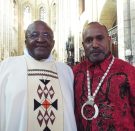
It is a great honour to be encouraged and supported by none other than @TheDesmondTutu
Melanesia News
Headline News
President Wenda: ULMWP announces cabinet reshuffle to mark May 1st
Interim President: Indonesia is unfit to lead the UN Human Rights Council
Implementing democracy before independence: ULMWP inaugurates thousands of representatives
About
Worldwide Support
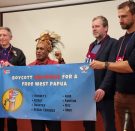
Boycott Indonesia campaign launches in London, UK
Benny Wenda – SABC news South-Africa
IBUKA – Broken promise Rally – Free West Papua
Profile PNG: West Papua
Freedom and Justice for West Papua
Benny Wenda on Indonesian Repression and His US Visa Cancellation
West Papua Headlines
Headline News
President Wenda: ULMWP announces cabinet reshuffle to mark May 1st
Hearing in Dutch Parliament on humanitarian situation in West Papua
Hearing in Dutch Parliament on humanitarian situation in West Papua
President Wenda: At least nine killed as Indonesia commits new massacre in Puncak
PWP meets UN High Commissioner Volker Turk
Info Papua
Headline News
President Wenda: ULMWP announces cabinet reshuffle to mark May 1st
Hearing in Dutch Parliament on humanitarian situation in West Papua
President Wenda: At least nine killed as Indonesia commits new massacre in Puncak
Papuan activist leader Wenda accuses Jakarta of ‘lying’ over shot down plane
ULMWP President Benny Wenda’s Christmas Message
Contact us
Telp.: +44(0)7469 473576
[email protected]
Archives
Archives
Select Month
May 2026 (1)
April 2026 (3)
March 2026 (1)
February 2026 (1)
January 2026 (6)
November 2025 (1)
October 2025 (4)
September 2025 (1)
July 2025 (1)
June 2025 (1)
May 2025 (2)
April 2025 (3)
February 2025 (1)
January 2025 (1)
December 2024 (5)
November 2024 (2)
October 2024 (4)
September 2024 (3)
July 2024 (1)
June 2024 (3)
May 2024 (10)
February 2024 (3)
January 2024 (3)
December 2023 (19)
November 2023 (1)
October 2023 (3)
August 2023 (1)
July 2023 (1)
April 2023 (1)
March 2023 (1)
February 2023 (1)
May 2022 (1)
December 2020 (2)
July 2019 (1)
April 2018 (1)
February 2017 (3)
January 2017 (9)
June 2016 (6)
March 2016 (2)
February 2016 (2)
January 2016 (3)
December 2015 (10)
November 2015 (3)
October 2015 (11)
September 2015 (16)
August 2015 (21)
July 2015 (23)
June 2015 (49)
May 2015 (82)
April 2015 (15)
March 2015 (14)
February 2015 (12)
January 2015 (22)
December 2014 (1)
November 2014 (3)
October 2014 (1)
June 2014 (1)
July 2013 (1)
May 2013 (11)
February 2013 (1)
May 2012 (1)
November 2011 (2)
May 2010 (7)
Free West Papua Campaign
Back to
Top